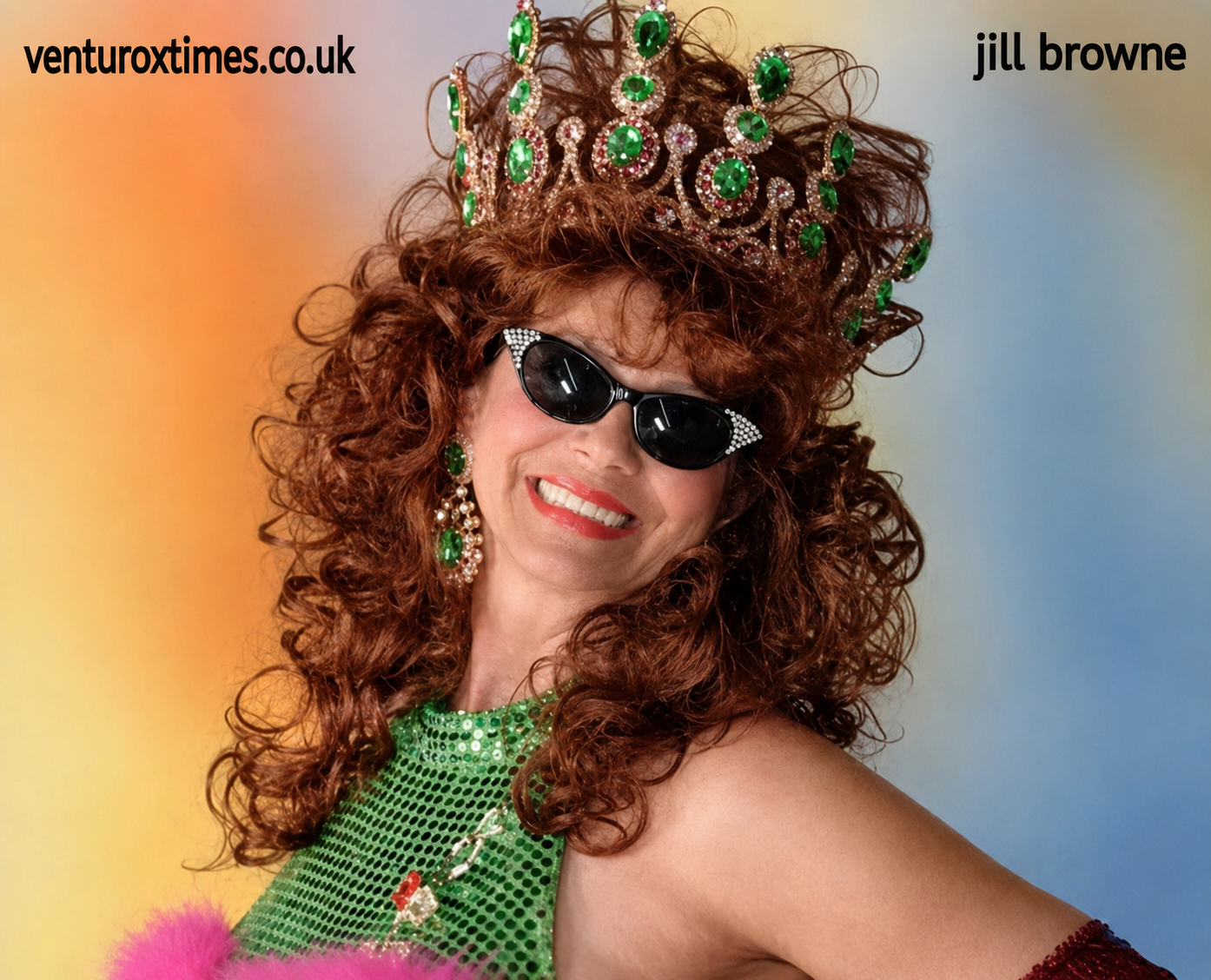
Introduction to Jill Browne and Her Television Legacy
Jill Browne was a British television actress best known for her role in the early ITV medical soap opera Emergency Ward 10, one of the most influential television dramas of its time. Born in 1937 in Chingford, Essex, she became part of a generation of performers who helped define the golden age of early British television. Her work is often remembered for its emotional realism, natural screen presence, and contribution to the development of serialized medical drama in the United Kingdom.
Although her mainstream acting career was relatively brief compared to later television stars, Jill Browne remains an important figure in classic British TV history. Her role as Nurse Carole Young made her a familiar face in millions of homes during the late 1950s and early 1960s. Today, she is still referenced in discussions about pioneering British soap operas, ITV programming history, and the evolution of female roles in early television storytelling.
Early Life and Background in Essex
Jill Browne was born Jill Patricia Browne on 21 September 1937 in Chingford, Essex, England. She grew up during a period marked by post-war social change, when British society was rebuilding and television was beginning to emerge as a powerful cultural medium. This environment shaped a generation that would later enter the entertainment industry during a time of rapid media expansion.
Details of her early education and training are not widely documented, but her natural confidence and screen presence suggest an early interest in performance and acting. Like many aspiring performers of her era, she likely developed her skills through local theatre exposure and auditions during a time when television opportunities were still limited but growing quickly.
Her upbringing in Essex placed her close to London, the heart of Britain’s entertainment industry. This geographic advantage may have played a role in her early access to casting opportunities. As television production expanded in the 1950s, young performers like Browne found new pathways into professional acting that did not previously exist for earlier generations.
Entry into Acting and the Rise of British Television Drama
Jill Browne entered the acting world during the formative years of British television. The 1950s saw the rapid expansion of ITV and the BBC, both of which were experimenting with serialized storytelling formats that would eventually evolve into modern soap operas. This era created opportunities for emerging actors to gain national exposure through regular television roles.
Her early career coincided with the growing demand for actors who could deliver consistent performances in long-running episodic dramas. Television production at the time was fast-paced and often broadcast live or recorded with limited editing, requiring actors to perform with precision and emotional authenticity. Browne adapted well to this environment, which helped her secure her defining role.
As the British television industry expanded, so did the popularity of medical and domestic dramas. Shows focusing on hospital life, everyday struggles, and emotional storytelling began to resonate with audiences. It was within this evolving television landscape that Jill Browne’s career would reach its peak.
Breakthrough Role in Emergency Ward 10
Jill Browne achieved national recognition for her role as Nurse Carole Young in Emergency Ward 10, which premiered in 1957 on ITV. The series is widely regarded as one of the first major British medical soap operas and played a significant role in shaping the future of serialized television drama in the UK.
At just 19 years old, Browne became one of the central figures in the show. Her portrayal of a compassionate and dedicated nurse connected deeply with audiences who were drawn to the emotional realism of hospital life stories. The character of Nurse Carole Young became one of the most recognizable roles in early British television drama.
Browne remained with the series for several years, appearing in hundreds of episodes. Her performance helped establish Emergency Ward 10 as a cultural phenomenon during its run. The show’s success also contributed to the popularity of medical dramas that would later dominate British and international television markets.
Fame, Public Image, and Impact on British Soap Operas
During her time on Emergency Ward 10, Jill Browne became one of the early faces of British television fame. Unlike modern celebrity culture, fame in the 1950s and 1960s television industry was more closely tied to character recognition than personal publicity. Viewers often associated actors directly with their on-screen roles, which shaped public perception significantly.
Browne’s image as Nurse Carole Young contributed to her reputation as a wholesome and relatable television figure. She represented professionalism, compassion, and emotional depth, qualities that aligned well with the expectations of early British soap opera audiences. Her role helped establish the template for future female characters in medical and domestic dramas.
The success of Emergency Ward 10 also influenced the direction of ITV programming and inspired later long-running soap operas. Jill Browne’s contribution to this pioneering period remains an important part of British television history, especially in discussions about the origins of serialized hospital dramas.
Marriage to John Alderton and Personal Life
Jill Browne’s personal life became publicly known when she married actor John Alderton in 1964. Alderton, who had also appeared in Emergency Ward 10, would later become a well-known British television actor in his own right. Their relationship attracted attention as both were associated with the same iconic series.
However, their marriage lasted only a few years and ended in divorce in 1969. Despite the separation, this period remains a notable chapter in Browne’s personal history, as it reflects the interconnected nature of British television actors during that era. Many performers worked together across multiple productions, forming close personal and professional relationships.
After her divorce, Jill Browne later married theatre producer Brian Wolfe in 1971. This relationship provided her with stability outside of television fame, and the couple remained together until her passing. Her personal life reflects both the challenges and complexities faced by actors who experienced early fame in the television industry.
Career After Emergency Ward 10 and Professional Challenges
After leaving Emergency Ward 10, Jill Browne faced the common challenge of typecasting, a frequent issue for actors strongly associated with a single long-running role. Despite her popularity, casting directors often struggled to see her beyond the character of Nurse Carole Young, limiting her opportunities for diverse roles.
She appeared in occasional television and stage productions following her departure from the series. However, these roles did not match the visibility or success of her earlier work. This shift illustrates the difficulties many early television actors experienced when transitioning away from iconic roles in long-running programs.
The British entertainment industry during the 1960s was also undergoing transformation, with new genres and formats emerging. As a result, many actors from early television soap operas found it difficult to adapt to changing audience expectations and production styles.
Health Struggles and Later Years
In her later years, Jill Browne faced significant health challenges. She survived acute peritonitis, a serious medical condition, and also battled a tumor that threatened her life. These health issues added considerable difficulty to her personal and professional life, yet she continued to demonstrate resilience throughout these struggles.
Her health battles reflect the often-unseen personal challenges faced by public figures, particularly those who rose to fame at a young age. Despite these difficulties, she remained connected to her family life and maintained her dignity away from the public spotlight.
As her health declined, Browne gradually stepped away from public attention. Her later years were spent largely in privacy, away from the television industry that had once made her a household name across Britain.
Death and Lasting Legacy in British Television History
Jill Browne passed away on 5 December 1991 in Northwood, London, at the age of 54, after a battle with cancer. Her death marked the end of a life closely tied to the early development of British television drama. Although her career was not extensive in later years, her impact on early television remains significant.
Her legacy continues through her work in Emergency Ward 10, which is still referenced in discussions about the origins of British soap operas and medical dramas. She remains an example of how early television actors helped shape the emotional storytelling techniques that are now standard in modern serialized drama.
Today, Jill Browne is remembered as part of the foundation of British television history. Her contribution to one of ITV’s earliest and most influential drama series ensures her place in the cultural memory of classic UK television, where her performances continue to be appreciated by enthusiasts of vintage broadcasting and television heritage.
Conclusion
Jill Browne’s journey in British television represents an important chapter in the early development of serialized drama and soap operas. From her breakthrough role as Nurse Carole Young in Emergency Ward 10 to her lasting recognition among classic TV audiences, she contributed to a formative era when television was still shaping its identity as a dominant storytelling medium. Her natural performance style and ability to connect with viewers helped define what early medical dramas would become in later decades.
Although her career was affected by typecasting and limited post-series opportunities, her influence remains embedded in British television history. Jill Browne is remembered not only for her on-screen success but also for the challenges she faced as part of a generation of actors navigating a rapidly evolving entertainment industry. Her life reflects both the opportunities and limitations of early television fame, especially for young actresses during that period.
Today, her legacy continues through retrospectives on classic British television and discussions about pioneering ITV dramas. Jill Browne stands as a reminder of the early performers who helped build the foundation of modern television storytelling, ensuring that her work remains a meaningful part of entertainment history.