Introduction to IP Addresses and Their Importance
In today’s digital world, every device connected to the internet relies on a unique identifier known as an IP address. This identifier plays a crucial role in ensuring smooth communication between servers, websites, and users across the globe. Whether you are browsing a website, sending an email, or streaming a video, IP addresses work silently in the background to route information accurately.
The keyword “111.90.150.284” may appear like a typical IP address at first glance, but it raises important questions about validity, structure, and cybersecurity. Understanding how such an address fits into the broader framework of networking helps users identify potential issues and stay secure online. This article explores every detail surrounding this IP, including its structure, possible origins, and implications.
Understanding the Structure of IPv4 Addresses
IPv4 addresses are the most commonly used type of IP addresses on the internet. They consist of four numerical segments separated by dots, with each segment ranging from 0 to 255. This structure is designed to create a standardized system that allows billions of devices to connect and communicate efficiently.
Each segment of an IPv4 address is referred to as an octet, and together they form a 32-bit numerical address. This system ensures that data packets know exactly where to go and where they originated from. The structure is not random but follows strict technical rules defined by networking protocols.
When analyzing a sequence like 111.90.150.284, it becomes essential to check whether each octet falls within the allowed range. This validation step is critical in determining whether the address can function in real-world networking environments.
Is 111.90.150.284 a Valid IP Address?
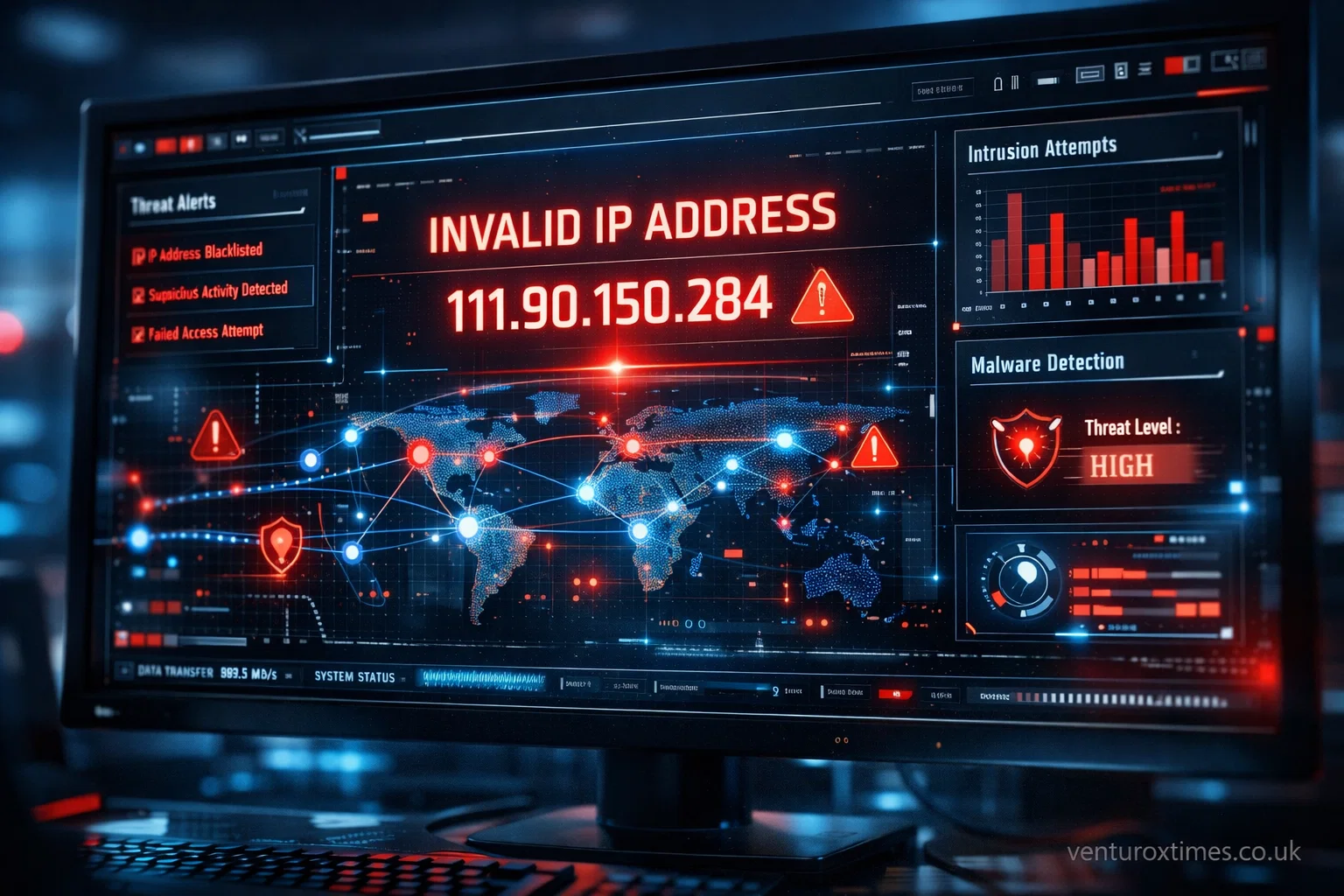
Despite appearing structurally correct, 111.90.150.284 is not a valid IPv4 address. The reason lies in its final segment, which exceeds the maximum allowed value of 255. Since each octet must stay within the 0–255 range, any number beyond this limit renders the entire address invalid.
This means that 111.90.150.284 cannot be assigned to any device, server, or network. It will not be recognized by routers or internet protocols, making it unusable for communication. This distinction is important for both technical users and general internet users who may encounter such addresses.
Invalid IP addresses often show up in unusual contexts, such as error logs, spam messages, or misconfigured systems. Recognizing their invalidity can help users avoid confusion and identify potential technical or security issues.
Why You Might Encounter 111.90.150.284
There are several reasons why an address like 111.90.150.284 might appear in your browsing experience or system logs. One of the most common causes is a simple human error, where a valid IP address was typed incorrectly. Even a small mistake in one segment can completely change the meaning of the address.
Another possibility is the intentional use of invalid IP addresses in phishing or scam attempts. Cybercriminals often include such addresses in emails or links to create a sense of technical authenticity while hiding their real identity. 111.90.150.284 This tactic can confuse users who are not familiar with IP address validation.
In some cases, software bugs or system misconfigurations can generate invalid IP addresses. This may occur when data is improperly formatted or when systems fail to validate input correctly. These scenarios highlight the importance of robust error-checking mechanisms in software development.
Exploring the 111.90.150.x IP Range
Although 111.90.150.284 itself is invalid, examining nearby IP ranges can provide valuable context. The 111.x.x.x block is typically associated with regions in Asia, including countries like Pakistan, India, and other parts of the Asia-Pacific region.
Internet service providers in these regions manage specific subranges within this block. These IP addresses are often assigned to residential users, mobile networks, 111.90.150.284 or business connections. Understanding this context helps users interpret where a valid IP in this range might originate.
However, it is important to remember that IP-based location data is only approximate. It usually reflects the location of the ISP’s infrastructure rather than the exact physical location of a user. This limitation is a key factor in understanding how IP tracking works.
How IP Address Lookup and Tracking Works
IP address lookup tools are commonly used to gather information about a specific IP. These tools rely on large databases that map IP ranges to geographic locations and organizations. When a valid IP address is entered, the tool retrieves details such as country, city, and ISP.
For an invalid IP like 111.90.150.284, lookup tools typically return an error or no results. This is because the address does not exist within any recognized IP allocation database. This behavior further confirms its invalidity.
Even when dealing with valid IP addresses, lookup tools have limitations. They cannot identify individual users or exact addresses, as this information is protected by privacy regulations. Instead, they provide general insights that are useful for analysis and troubleshooting.
Security Implications of Invalid IP Addresses
Encountering an invalid IP address can sometimes signal potential security concerns. Cyber attackers often use fake or malformed IPs to obscure their identity and avoid detection. This tactic is commonly seen in phishing emails, malicious links, and fraudulent online activities.
Invalid IP addresses may also appear in system logs during attempted attacks or scanning activities. These anomalies can indicate that a system is being probed for vulnerabilities. Monitoring such irregularities is an important part of maintaining cybersecurity.
At the same time, not all instances of invalid IP addresses are malicious. Some may simply result from technical errors or misconfigurations. Distinguishing between harmless mistakes and potential threats requires careful analysis and awareness.
Common Misconceptions About IP Addresses
Many users believe that IP addresses can reveal highly detailed personal information. In reality, they provide only limited data, usually related to geographic region and ISP. This misconception often leads to confusion about what IP tracking can and cannot do.
Another common misunderstanding is that all IP addresses are permanent. In fact, many internet users are assigned dynamic IP addresses that change periodically. This makes it more difficult to associate an IP address with a specific individual over time.
There is also a tendency to assume that any IP-like number is valid. As seen with 111.90.150.284, even a small deviation from the standard format can render an address completely invalid. Understanding these nuances is essential for accurate interpretation.
Best Practices for Handling Suspicious IPs
When you come across an unfamiliar or suspicious IP address, the first step is to verify its validity. Checking whether each segment falls within the correct range can quickly determine whether the address is usable or not. This simple step can save time and prevent unnecessary concern.
It is also important to avoid interacting with suspicious links or messages that include unknown IP addresses. These could be part of phishing attempts designed to compromise your personal information or infect your device with malware.
Using reliable security tools, such as firewalls and antivirus software, can help detect and block suspicious activity. Regular system updates and safe browsing habits further enhance your protection against potential threats.
Conclusion: What 111.90.150.284 Teaches Us
The IP address 111.90.150.284 serves as a useful example for understanding how internet addressing works and why validation is important. Although it looks like a standard IPv4 address, its invalid final segment makes it unusable in real-world networking.
By examining this address, users can learn how to identify valid and invalid IP formats, recognize potential security risks, and better understand the limitations of IP tracking. This knowledge is valuable for both everyday internet users and those involved in technical fields.
Ultimately, awareness and education are the keys to navigating the digital landscape safely. Whether dealing with valid or invalid IP addresses, having a clear understanding of how they function helps you stay informed, secure, and confident online.