Introduction
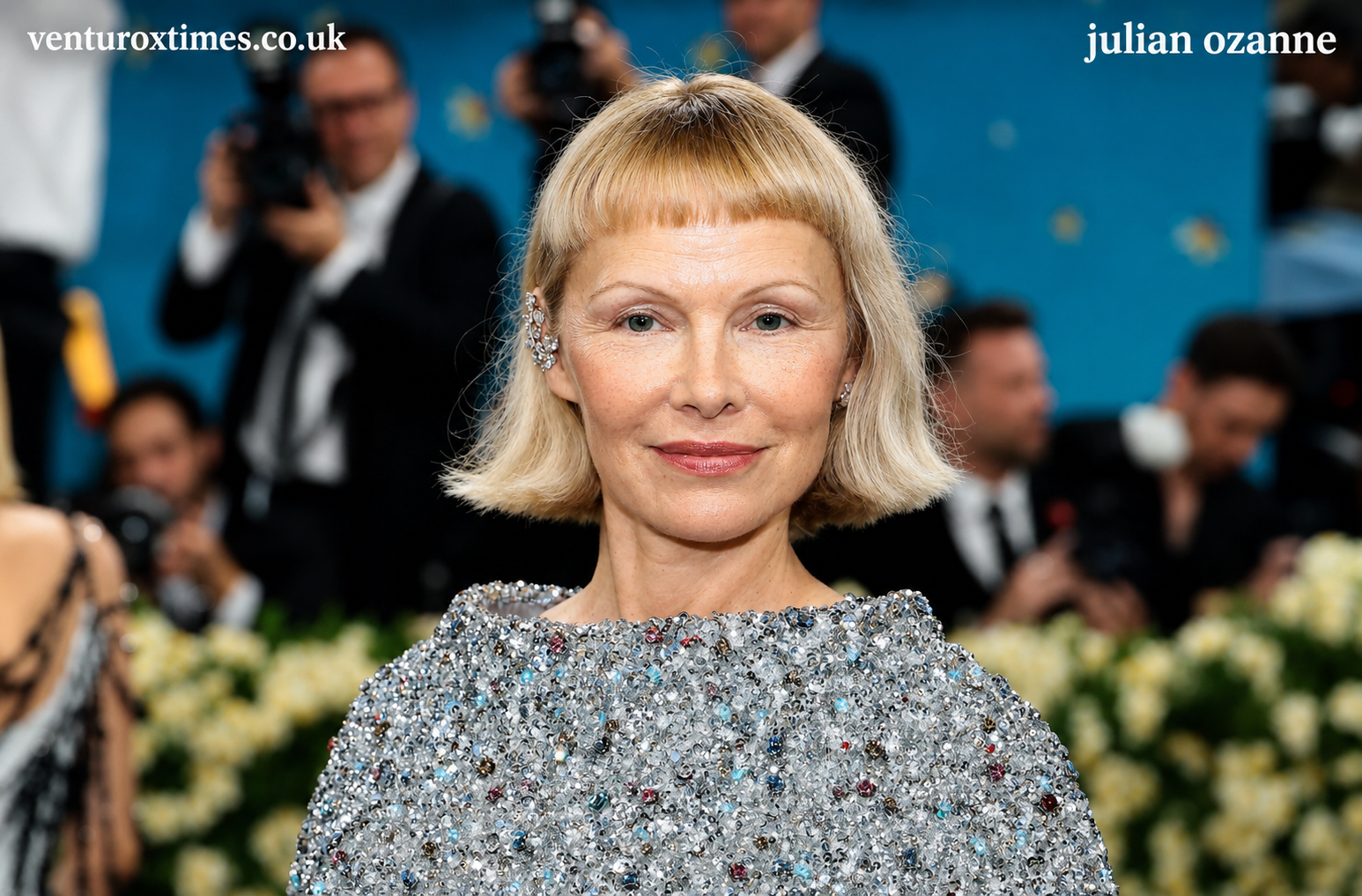
Julian Ozanne is a British-Kenyan documentary filmmaker, producer, former journalist, and humanitarian whose life and career have attracted considerable public interest over the years. While many people recognize him because of his former marriage to actress Gillian Anderson, Ozanne has built an impressive professional reputation independent of celebrity connections. His work spans journalism, documentary filmmaking, environmental advocacy, and social development, making him a multifaceted figure with a unique career path.
Throughout his professional journey, Julian Ozanne has demonstrated a commitment to telling meaningful stories, exploring important global issues, and supporting humanitarian causes. His experiences in Africa, his background in financial journalism, and his transition into documentary production have all contributed to a career focused on understanding people, cultures, and social challenges. This article explores Julian Ozanne’s life, career achievements, personal relationships, philanthropic efforts, and lasting legacy.
Early Life and Family Background
Julian Ozanne was born in Kenya in 1965 and spent much of his childhood surrounded by the diverse cultures, landscapes, and communities of East Africa. Growing up in Kenya provided him with experiences that would later influence many aspects of his professional life. The region’s social dynamics, wildlife conservation efforts, economic challenges, and political developments exposed him to issues that became recurring themes throughout his career.
His upbringing in Africa fostered a deep appreciation for cultural diversity and global affairs. Unlike individuals who spend their formative years in a single cultural environment, Ozanne developed a broad perspective early in life. julian ozanne This exposure helped shape his understanding of international development, social justice, and environmental sustainability.
Although Julian Ozanne has generally maintained a private personal life, it is widely understood that his early experiences played a significant role in cultivating his interest in storytelling. Observing the realities of life across different African communities likely contributed to his desire to document real-world issues and amplify underrepresented voices through journalism and film.
The influence of Africa remained central throughout his career. julian ozanne Even after moving into international journalism and documentary filmmaking, he continued to maintain strong connections to the continent and frequently engaged with topics related to African politics, economics, and development.
Education and Professional Foundations
Julian Ozanne’s educational journey helped establish the intellectual foundation for his later achievements. His studies focused on subjects that encouraged analytical thinking, global awareness, and effective communication. These skills proved invaluable as he entered the competitive world of journalism.
Education provided him with more than technical knowledge. It helped him develop the ability to evaluate complex situations, interpret economic trends, and understand political systems. These competencies later distinguished him as a journalist capable of examining issues in depth rather than merely reporting surface-level events.
Before entering filmmaking, Ozanne spent years building expertise in reporting and media analysis. This period was critical because it taught him how to gather reliable information, conduct interviews, verify facts, and communicate complex topics to broad audiences. These journalistic principles would later become essential components of his documentary work.
The transition from education into professional journalism was relatively natural for someone with his interests. He possessed both curiosity and discipline, qualities that allowed him to thrive in an environment where accuracy and critical thinking were highly valued.
Career in Financial Journalism
One of the most significant stages of Julian Ozanne’s professional life was his work in journalism. He became known for his role as a correspondent for the Financial Times, one of the world’s most respected financial publications. Reporting on economic and political developments in Africa gave him a unique perspective on the continent’s evolving role in the global economy.
As a journalist, Ozanne covered a wide range of topics, including government policies, economic reforms, international investment, and social development. His work required extensive travel, research, and engagement with leaders from both public and private sectors. These experiences allowed him to gain firsthand knowledge of issues affecting African nations.
Financial journalism differs significantly from entertainment reporting or general news coverage. It demands careful analysis of data, market trends, and policy decisions. Ozanne excelled in this environment because he combined strong analytical abilities with an interest in the human impact of economic developments.
His reporting often highlighted the relationship between economics and everyday life. Rather than focusing solely on statistics, he explored how financial decisions influenced communities, businesses, and individuals. This human-centered approach would later become a defining characteristic of his documentary filmmaking style.
Transition into Documentary Filmmaking
After establishing himself in journalism, Julian Ozanne moved into documentary filmmaking. This transition allowed him to expand beyond traditional reporting and explore subjects with greater depth and creativity. Documentary films provided a platform where he could combine visual storytelling with investigative research.
The move was a logical progression for someone passionate about understanding people and societies. Documentary filmmaking offered the opportunity to tell stories over extended periods and present them in ways that could evoke emotional engagement from audiences. Unlike newspaper articles, documentaries could use imagery, interviews, and narrative structure to create a more immersive experience.
Ozanne’s journalistic background proved highly beneficial during this transition. The research skills, ethical standards, and investigative techniques he had developed as a reporter became valuable tools in producing documentaries. His films often reflected the same commitment to authenticity and factual accuracy that characterized his journalism.
By entering documentary production, Ozanne broadened his influence as a storyteller. He was no longer limited to written narratives but could now communicate complex ideas through a powerful visual medium capable of reaching international audiences.
Notable Documentary Projects and Creative Work
Julian Ozanne gained recognition for several documentary projects that explored influential individuals, cultural movements, and contemporary issues. Among his best-known works is Giorgio Armani: A Man for All Seasons, a documentary that examined the life and influence of the renowned fashion designer. The project demonstrated Ozanne’s ability to present a detailed portrait of a global cultural figure.
Another notable work is This Is Not an Exit: The Fictional World of Bret Easton Ellis, which explored the ideas and literary contributions of the controversial American author. Through this documentary, Ozanne examined themes related to literature, culture, and modern society.
His project Here to Where further showcased his versatility as a filmmaker. Rather than limiting himself to a single genre or subject area, Ozanne consistently pursued stories that encouraged thoughtful reflection and deeper understanding.
What distinguishes his creative work is the emphasis on substance over spectacle. His documentaries generally focus on meaningful subjects and seek to provide audiences with insights rather than sensationalism. This approach has earned respect among viewers who value thoughtful and informative storytelling.
Marriage to Gillian Anderson
Julian Ozanne’s name became widely known in mainstream media because of his relationship with actress Gillian Anderson. Anderson achieved international fame through her portrayal of Dana Scully in the television series The X-Files, making her one of the most recognizable actresses of her generation.
The couple met through shared social and professional circles and eventually developed a serious relationship. Their connection attracted considerable media attention because Anderson was already a major celebrity with a large global fan base. Despite the public interest, both individuals generally attempted to maintain a degree of privacy regarding their relationship.
In December 2004, Julian Ozanne and Gillian Anderson married in a private ceremony on Lamu Island in Kenya. The location held special significance because of Ozanne’s African roots and reflected the couple’s preference for a more intimate celebration away from Hollywood publicity.
Their marriage generated widespread media coverage internationally. Many entertainment publications reported on the event, introducing Julian Ozanne to audiences who had previously been unfamiliar with his work in journalism and filmmaking.
Divorce and Life After the Separation
Although the marriage initially appeared strong, Julian Ozanne and Gillian Anderson separated after less than two years together. News of their separation attracted significant attention from entertainment media due to Anderson’s celebrity status.
Despite public curiosity, both parties handled the separation with dignity and discretion. Unlike many high-profile celebrity divorces, their split was not characterized by public disputes or controversy. They maintained a respectful approach and largely avoided discussing private details in the media.
The divorce was finalized in 2007, marking the end of their marriage. For Ozanne, the period following the separation involved a return to a more private lifestyle. Rather than capitalizing on public interest generated by the relationship, he continued focusing on professional and humanitarian endeavors.
This decision reinforced his reputation as someone who valued substance over publicity. While many individuals connected to famous celebrities pursue media attention, Ozanne largely remained committed to his work and personal principles.
Humanitarian Work and Environmental Advocacy
Beyond journalism and filmmaking, Julian Ozanne has long been associated with humanitarian initiatives and environmental causes. His experiences in Africa contributed to a strong awareness of issues such as poverty, inequality, conservation, and sustainable development.
Throughout his career, he has demonstrated concern for social justice and community development. His work often reflects an understanding that media can play an important role in raising awareness about global challenges. By highlighting important issues, storytelling can inspire public engagement and encourage positive change.
Environmental conservation has also been an area of particular interest. Having grown up in Kenya, Ozanne developed an appreciation for wildlife and natural ecosystems. This perspective influenced his support for initiatives aimed at protecting environmental resources and promoting sustainability.
His advocacy efforts reflect a broader commitment to responsible global citizenship. Rather than limiting his contributions to professional achievements, he has consistently shown interest in causes that seek to improve lives and protect the natural world.
Julian Ozanne’s Influence on Documentary Storytelling
Julian Ozanne’s career illustrates the powerful relationship between journalism and documentary filmmaking. His ability to combine investigative research with compelling storytelling has allowed him to create work that informs as well as engages audiences.
Many documentary filmmakers focus primarily on entertainment value, but Ozanne’s projects often prioritize education, context, and deeper understanding. His journalistic training encouraged a commitment to accuracy, fairness, and thoughtful analysis, qualities that strengthen the credibility of his films.
His work also demonstrates the importance of curiosity in storytelling. Whether examining cultural figures, social issues, or broader global themes, Ozanne approaches subjects with a desire to understand rather than simply judge or sensationalize.
As documentary filmmaking continues to evolve in the digital age, his career serves as an example of how strong research and authentic storytelling remain essential. The principles that guided his work continue to influence discussions about responsible journalism and nonfiction filmmaking.
Legacy and Public Interest
Julian Ozanne occupies a unique position in public consciousness. While many people initially encounter his name through discussions of Gillian Anderson, those who explore his background discover a career defined by journalism, documentary production, and humanitarian engagement.
His legacy is rooted in a commitment to understanding the world and communicating meaningful stories. Through journalism, he documented important political and economic developments. Through filmmaking, he expanded those narratives into compelling visual experiences. Through advocacy, he demonstrated concern for social and environmental issues that extend beyond professional success.
The continued interest in Julian Ozanne reflects more than celebrity curiosity. It stems from the diverse and impactful nature of his career. He represents a model of thoughtful media engagement, showing how storytelling can educate audiences while contributing to broader conversations about society, culture, and global development.
Conclusion
Julian Ozanne’s life and career reveal the journey of a man who successfully moved between journalism, documentary filmmaking, and humanitarian advocacy while maintaining a strong commitment to authenticity and purpose. Born in Kenya and shaped by experiences across Africa and beyond, he developed a unique perspective that influenced everything from financial reporting to documentary production.
Although his marriage to Gillian Anderson introduced him to a wider audience, his professional achievements stand on their own merit. As a journalist, he explored important economic and political developments. As a filmmaker, he created thoughtful documentaries that examined influential figures and cultural issues. As a humanitarian and environmental advocate, he supported causes aimed at improving communities and protecting natural resources.
Today, Julian Ozanne remains an intriguing figure whose work continues to attract attention from those interested in documentary filmmaking, journalism, and global affairs. His career serves as a reminder that meaningful storytelling can inform, inspire, and contribute to a deeper understanding of the world around us.