Introduction
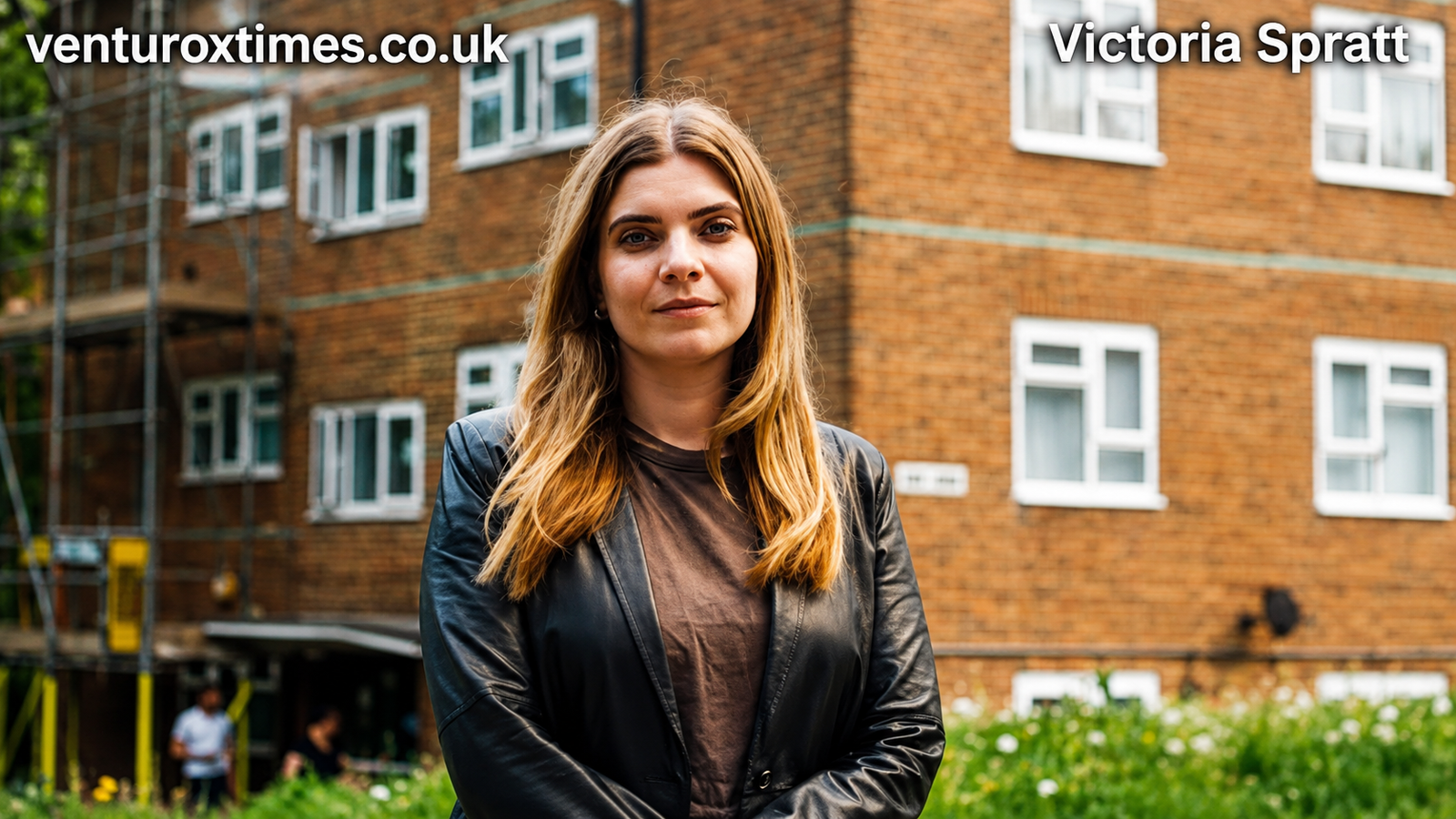
Victoria Spratt, often known professionally as Vicky Spratt, is one of the United Kingdom’s most respected journalists covering housing, social inequality, and public policy. Through years of investigative reporting, she has built a reputation for explaining complex housing issues in a way that is accessible, factual, and deeply connected to the experiences of ordinary people. Her work has helped raise awareness of Britain’s housing crisis while encouraging meaningful public discussion about renters’ rights, affordable housing, homelessness, and government policy.
As Housing and Society Correspondent for The i Paper, Victoria Spratt continues to investigate some of the country’s most pressing social issues. Her journalism combines detailed research with real-life stories, allowing readers to understand how housing policies affect families, young professionals, vulnerable communities, and future generations. Alongside her journalism, she is also an accomplished author, broadcaster, and public speaker whose work has influenced conversations about housing reform across the UK.
Early Life and Educational Background
Victoria Spratt was born in April 1988 in England and spent much of her early life in Surrey. From an early age, she developed an interest in politics, current affairs, and writing. These interests eventually guided her toward a career in journalism, where she could combine research, storytelling, and public interest reporting. Although she attended one of Britain’s leading universities, her experiences after graduation gave her a firsthand understanding of financial pressures facing many young people.
She studied at Pembroke College, Oxford, where she strengthened her analytical thinking and communication skills. Like many graduates entering the workforce, she encountered financial uncertainty and student debt. These experiences helped shape her understanding of economic inequality and influenced the direction of her journalism. Rather than focusing solely on politics, she became increasingly interested in how government decisions affected people’s everyday lives, especially in relation to housing and living costs.
Building a Career in Journalism
Victoria Spratt began her journalism career working in political and broadcast media before expanding into digital journalism. During her early professional years, she worked with BBC Westminster and later joined several major media organizations, where she covered politics, women’s issues, social affairs, and public policy. These experiences allowed her to develop strong investigative reporting skills while learning how to communicate complex subjects clearly.
Her career continued to grow through roles at publications including Refinery29, Vice, Broadly, The Debrief, and several national newspapers and magazines. Throughout this period, she became increasingly recognized for her thoughtful reporting on housing issues. Her ability to combine statistical evidence with personal stories made her reporting stand out from traditional political coverage. Today, as Housing and Society Correspondent at The i Paper, she focuses on housing affordability, rental reform, homelessness, planning policy, and wider social inequality.
Becoming a Leading Voice on Housing
Housing has become one of the defining issues of modern Britain, and Victoria Spratt has played a significant role in helping the public understand its complexity. Instead of viewing housing purely as an economic issue, she explores its wider effects on health, education, careers, relationships, and financial security. Her reporting regularly explains how rising rents, housing shortages, and affordability challenges affect people from different backgrounds.
One of the strengths of her journalism is her commitment to telling the stories of ordinary renters, homeowners, and families. By interviewing people directly affected by housing problems, she ensures that policy discussions remain connected to real experiences. Her reporting often includes expert analysis while remaining accessible to readers who may have little knowledge of housing legislation or economics.
The Make Renting Fair Campaign
One of Victoria Spratt’s most influential achievements was launching the Make Renting Fair campaign in 2016 while working at The Debrief. The campaign focused on unfair letting agency fees that placed significant financial burdens on renters across England. Through extensive reporting, public engagement, and evidence gathered from thousands of tenants, the campaign highlighted the need for legislative reform.
The campaign attracted widespread public attention and became an important part of the national conversation about renters’ rights. It ultimately contributed to the introduction of legislation banning most tenant fees in England, representing one of the most significant housing reforms in recent years. This achievement demonstrated how investigative journalism can influence government policy while improving the lives of millions of renters.
The Success of Tenants
In 2022, Victoria Spratt published her first book, Tenants, which examined Britain’s housing crisis through detailed reporting and personal stories. Rather than focusing only on statistics, the book explored the experiences of renters dealing with insecure housing, rising living costs, poor-quality accommodation, and limited opportunities to purchase homes. The result was a powerful examination of how housing affects every aspect of modern life.
The book received widespread praise from critics, readers, and housing experts. It was recognized as one of the year’s notable works on social policy and housing, earning a place among the Financial Times Books of the Year. Readers appreciated its balanced approach, combining investigative journalism with compassionate storytelling. The success of Tenants further established Victoria Spratt as one of Britain’s leading voices on housing issues.
Broadcasting and Public Engagement
Victoria Spratt’s expertise extends well beyond newspaper journalism. She regularly appears on television and radio programmes discussing housing policy, homelessness, politics, and social inequality. Her clear communication style allows her to explain complicated subjects in ways that are informative without becoming overly technical. As a result, she has become a familiar face during national discussions about housing reform.
In addition to television appearances, she has presented documentaries, contributed to podcasts, and participated in public events focused on housing and social policy. She has also spoken at universities, conferences, and industry events where she discusses journalism, investigative reporting, and the importance of evidence-based public debate. These activities have helped expand her influence beyond traditional journalism.
Journalism Style and Lasting Impact
One of the reasons Victoria Spratt has earned widespread respect is her balanced approach to reporting. Her journalism relies on verified evidence, official data, interviews with experts, and firsthand accounts from individuals affected by housing issues. Rather than promoting political viewpoints, she focuses on presenting facts while giving readers enough context to understand complicated policy decisions.
Her reporting has influenced discussions among policymakers, housing charities, academics, and campaign organizations. Many of her investigations have highlighted problems that might otherwise have received limited public attention. By consistently producing accurate and well-researched journalism, she has contributed to a broader understanding of housing inequality and the challenges facing renters across Britain.
Victoria Spratt’s Influence on Modern Housing Debate
The UK’s housing challenges continue to evolve, with affordability, rental shortages, planning reform, and homelessness remaining important national issues. Victoria Spratt continues to provide thoughtful reporting that helps readers understand these changing circumstances. Her work remains relevant because it focuses on how housing policies directly affect people’s daily lives rather than treating the subject as purely political or economic.
Her journalism has also encouraged greater public awareness of tenant protections, housing affordability, and long-term policy solutions. Through newspapers, books, broadcasting, and public speaking, she continues to contribute valuable insights into one of Britain’s most important social issues. As housing remains central to discussions about economic opportunity and social mobility, her reporting continues to inform readers across the country.
Conclusion
Victoria Spratt has established herself as one of the United Kingdom’s most trusted journalists covering housing and social policy. From her early career in political journalism to her current role as Housing and Society Correspondent, she has consistently focused on producing accurate, accessible, and meaningful reporting. Her work demonstrates how journalism can raise awareness, influence policy, and encourage informed public discussion.
Through investigative reporting, successful campaigns such as Make Renting Fair, the publication of her acclaimed book Tenants, and regular appearances across television and radio, Victoria Spratt has become an influential voice in Britain’s housing debate. Her commitment to evidence-based journalism and real-life storytelling continues to shape public understanding of housing challenges while promoting greater awareness of the issues affecting renters, homeowners, and communities throughout the United Kingdom.