Introduction
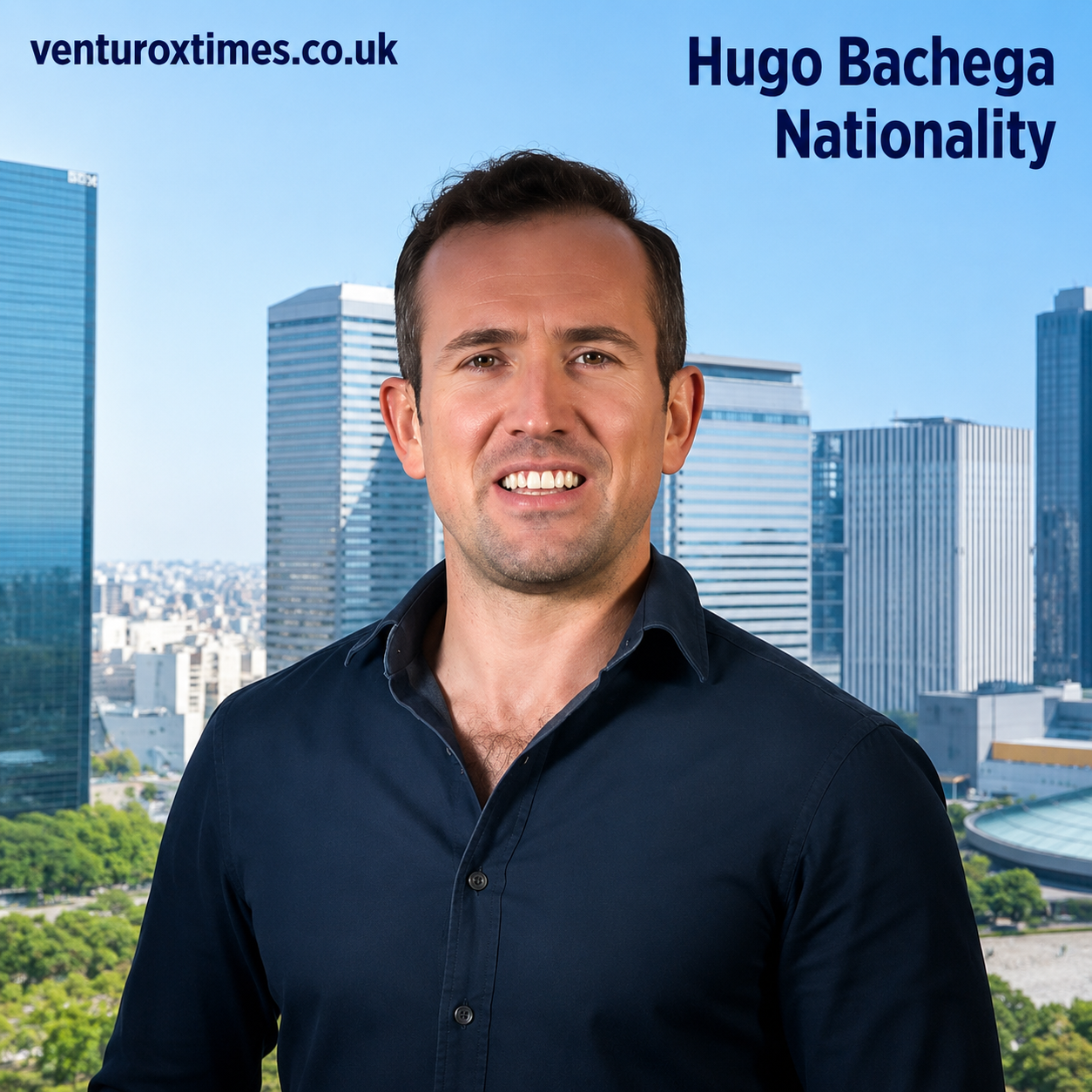
Hugo Bachega Nationality is one of the most recognizable international journalists working in broadcast media today. As a prominent BBC correspondent, he has reported from some of the world’s most important and dangerous locations, covering wars, humanitarian crises, political developments, and major global events. His calm reporting style, professional demeanor, and ability to explain complex situations have earned him respect among viewers worldwide.
As his visibility has increased through high-profile coverage, Hugo Bachega Nationality many people have become curious about his personal background. One of the most frequently searched questions about him is: “What is Hugo Bachega’s nationality?” The interest is understandable because Bachega works for a British broadcaster, speaks fluent English, and reports internationally, leading many viewers to wonder where he originally comes from.
The answer is rooted in his Brazilian heritage. Although Hugo Bachega Nationality is closely associated with the BBC and international journalism, he was born in Brazil and has often been described as a Brazilian journalist who built a successful global career. Understanding his nationality also provides insight into his multicultural perspective and professional journey, which have contributed significantly to his success as a foreign correspondent.
Hugo Bachega Nationality Explained
The most widely reported information about Hugo Bachega confirms that he is Brazilian by birth. Numerous biographical references and media profiles identify him as a Brazilian-born journalist. This background remains the most reliable and consistently reported aspect of his personal history.
Confusion sometimes arises because Bachega works for the BBC, one of the world’s most respected British media organizations. Some online sources have referred to him as a Brazilian-born British journalist, largely because of his long association with British media. However, public information does not clearly confirm Hugo Bachega Nationality whether he holds British citizenship. Therefore, the most accurate description is that Hugo Bachega is a Brazilian-born journalist who works for a British news organization.
Nationality and professional affiliation are often confused in international journalism. A reporter may work for a foreign media company for many years without changing nationality. Hugo Bachega Nationality In Bachega’s case, his Brazilian roots remain a significant part of his identity even as his reporting reaches audiences across the globe through the BBC.
Early Life and Brazilian Background
Hugo Bachega’s origins can be traced to Brazil, a country known for its rich cultural diversity, dynamic political environment, and influential media industry. Reports about his background Hugo Bachega Nationality commonly connect him to São Paulo, one of Latin America’s largest cities and an important center for journalism, business, and international affairs.
Growing up in Brazil likely exposed him to a variety of social, political, and economic issues from an early age. Brazil’s diverse population and complex political landscape often provideHugo Bachega Nationality aspiring journalists with a strong understanding of public affairs and international relations. These experiences can help develop the curiosity and analytical skills necessary for a successful career in journalism.
Although Bachega keeps much of his private life away from public attention, his Brazilian heritage remains an important part of his professional story. It distinguishes him from many Hugo Bachega Nationality other foreign correspondents and contributes to the international perspective that viewers often notice in his reporting.
Education and Interest in Journalism
Like many successful journalists, Hugo Bachega appears to have developed an interest in current affairs and storytelling early in life. While extensive details about his education areHugo Bachega Nationality not widely publicized, his career trajectory suggests a strong foundation in journalism, communication, and international affairs.
Journalism requires more than the ability to write or speak effectively. It demands critical thinking, research skills, objectivity, and the ability to understand complex issues quickly. Bachega’s Hugo Bachega Nationality later work demonstrates these qualities consistently, indicating years of preparation and professional development before reaching the international stage.
The transition from a young aspiring journalist in Brazil to an internationally recognized correspondent would have required dedication, persistence, and a commitment to high journalisticHugo Bachega Nationality standards. These characteristics continue to define his reporting style today.
Building a Career in International Journalism
Before becoming widely known through the BBC, Hugo Hugo Bachega Nationality Bachega gained valuable experience working in international news organizations. One of the most important stages of his career was his time with Reuters, one of the world’s leading news agencies.
Working for Reuters provided opportunities to cover major stories while learning the demanding standards of international reporting. Reuters journalists are expected to deliver accurate, timely,Hugo Bachega Nationality and impartial information to audiences around the world. This environment helps reporters develop the discipline and professionalism needed to succeed in global journalism.
The experience also exposed Bachega to international politics, economics, and world affairs. Reporting for a global news agency requires understanding diverse cultures, governments, and social issues. Hugo Bachega Nationality These skills would later prove invaluable as he transitioned into high-profile foreign correspondence roles.
Hugo Bachega’s Role at the BBC
Hugo Bachega’s career gained significant international recognition after joining the BBC. The broadcaster is known for its extensive global news coverage and network of foreign correspondentsHugo Bachega Nationality stationed around the world. Bachega quickly became one of the journalists trusted to cover some of the most important stories of the modern era.
His work has taken him to conflict zones, politically sensitive regions, and areas experiencing humanitarian emergencies. Reporting from these environments requires not only journalistic expertise but also courage, adaptability, and a commitment to factual reporting under difficult circumstances.
Viewers around the world have become familiar with his on-camera reports, which often combine detailed analysis with firsthand observations. His ability to communicate complex developments in a clear and accessible manner has made him a respected figure within international news media.
Reporting from Global Conflict Zones
One of the defining features of Hugo Bachega’s career has been his reporting from conflict zones. Modern audiences frequently associate him with coverage from regions affected by war, political unrest, and humanitarian crises. His reporting has helped millions of viewers understand events unfolding in places that are often difficult to access.
Conflict reporting is among the most challenging forms of journalism. Correspondents must navigate security risks while gathering accurate information and maintaining professional objectivity. They often work under pressure, facing rapidly changing situations and limited access to reliable sources.
Bachega’s reporting style reflects the principles of responsible journalism. Rather than focusing on sensationalism, he emphasizes facts, context, and human stories. This approach helps audiences understand not only what is happening but also why events matter on a broader global scale.
Why Hugo Bachega’s Nationality Attracts Attention
The growing interest in Hugo Bachega nationality reflects a wider trend among news audiences. As journalists become more visible through television broadcasts and digital platforms, viewers naturally become curious about their backgrounds and personal stories.
Many people notice Bachega’s accent and international perspective, leading them to question whether he is British, Brazilian, or holds another nationality. Because he works for the BBC, some viewers automatically assume he is British. Others recognize aspects of his speech and presentation that suggest a different cultural background.
The curiosity surrounding his nationality also highlights how global journalism has evolved. Today’s leading correspondents often come from diverse backgrounds and work far from their countries of birth. Their international experiences enrich their reporting and allow them to connect with audiences across cultural boundaries.
Language Skills and International Perspective
A major factor behind Hugo Bachega’s success is his ability to operate effectively in international environments. As someone with Brazilian roots who works in English-language media, he represents the increasingly global nature of modern journalism.
Language skills are a significant advantage for foreign correspondents. The ability to communicate across cultures helps journalists gather information, conduct interviews, and understand local perspectives more accurately. It also allows them to build trust with sources and communities in different regions.
Bachega’s multicultural background likely contributes to his broad worldview. Journalists who have experience living and working across different countries often develop a deeper understanding of global issues. This perspective becomes especially valuable when covering international stories that affect multiple nations and populations.
The Impact of Hugo Bachega’s Journalism
Beyond questions about nationality, Hugo Bachega’s career demonstrates the importance of professional journalism in today’s interconnected world. Foreign correspondents play a critical role in helping audiences understand international events that may have far-reaching consequences.
His reporting has brought attention to conflicts, political developments, humanitarian challenges, and social issues affecting millions of people. By providing firsthand accounts and factual analysis, he helps viewers navigate an increasingly complex news landscape.
The trust that audiences place in correspondents is built over time through consistent accuracy and professionalism. Bachega’s reputation reflects years of dedication to these principles. His work serves as an example of how journalism can inform public understanding while maintaining integrity and objectivity.
Conclusion
The question of Hugo Bachega nationality has become increasingly popular as his profile continues to grow within international journalism. Based on publicly available information, Hugo Bachega is Brazilian-born and has maintained strong connections to his Brazilian heritage throughout his professional career. While some sources describe him as a Brazilian-born British journalist, there is no widely confirmed public information regarding British citizenship, making Brazilian-born journalist the most accurate description.
However, focusing solely on nationality overlooks the broader significance of his achievements. Hugo Bachega has established himself as a respected international correspondent through years of dedicated reporting, extensive field experience, and a commitment to factual journalism. His work for Reuters and the BBC has allowed him to cover some of the most important stories of the modern era while informing audiences across the globe.
Ultimately, Hugo Bachega’s nationality is only one aspect of a much larger story. His career illustrates how talent, professionalism, and a global perspective can transcend borders. Whether reporting from conflict zones, political hotspots, or humanitarian crises, he continues to demonstrate the qualities that define outstanding international journalism.