Introduction
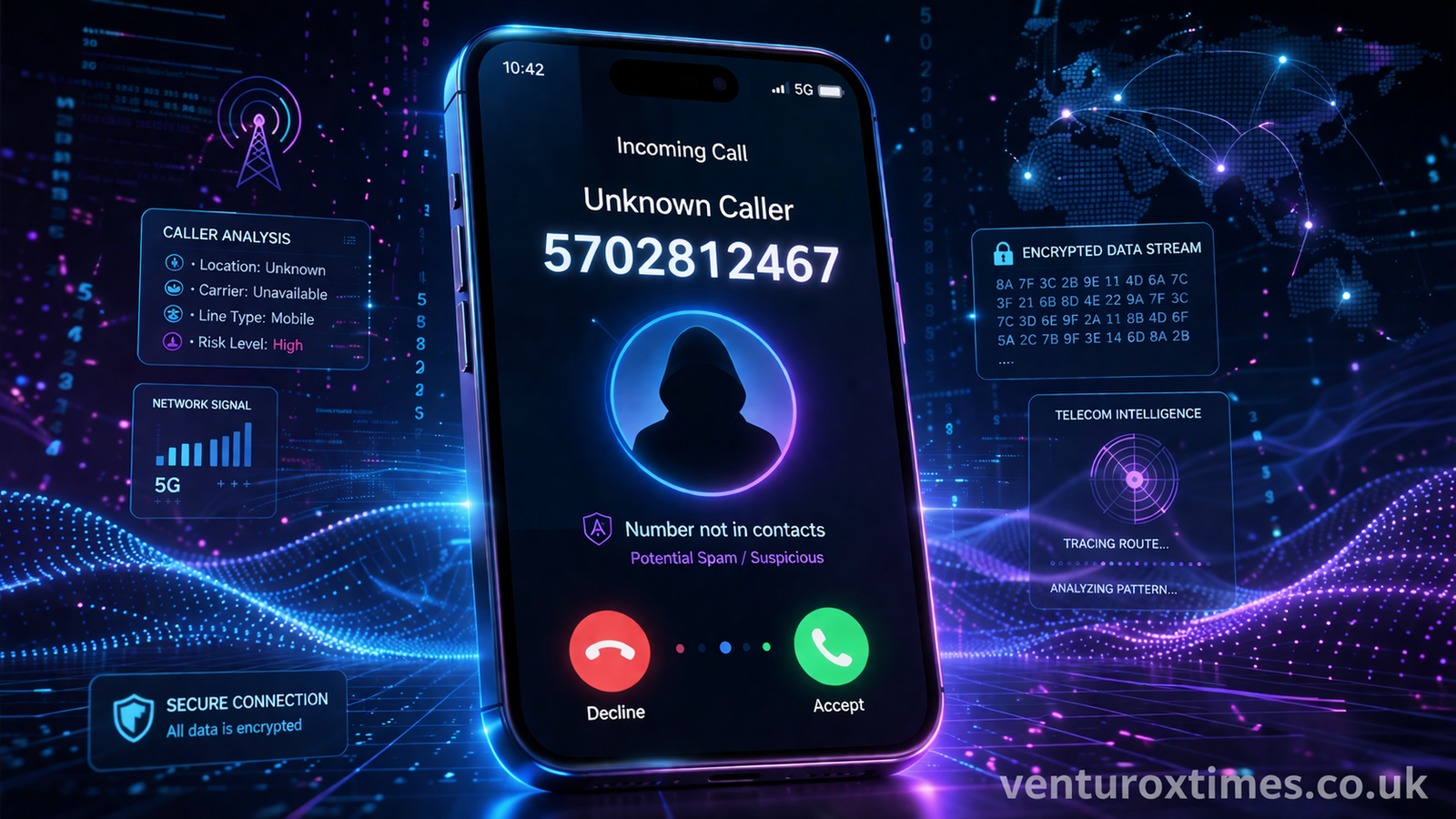
The phone number 5702812467 has become a frequently searched term online, primarily because people receive unexpected calls from it without any clear explanation. When a number repeatedly appears on caller ID or rings only once before disconnecting, curiosity naturally turns into suspicion. As digital communication becomes more complex, people want reliable information that helps them distinguish between legitimate outreach, telemarketing practices, and potential scam attempts. This article provides a deeply researched, richly detailed, and trustworthy breakdown of everything associated with 5702812467, helping readers understand its behavior, reported patterns, and how to respond safely.
The purpose of this analysis is not to label the number with definitive claims but to examine the publicly available patterns surrounding it, user-reported behaviors, and the broader ecosystem of unknown call activity. By doing so, individuals can make informed, confident decisions without panicking or falling for misleading assumptions. Whether you received a missed call, a silent ring, or a brief attempt that vanished before you answered, the insights here aim to clarify what 5702812467 represents in the larger context of modern communication risks and common calling trends.
Because phone-based scams, robocalls, and data-verification systems have grown rapidly in the past decade, understanding how unknown numbers operate is crucial. This article explores those mechanisms thoroughly while grounding the explanation within the specific keyword 5702812467 to give readers both clarity and actionable awareness.
What Is 5702812467 and Why It Raises Curiosity
The number 5702812467 is formatted within the North American Numbering Plan, which includes the United States and several nearby territories. People who search for this number online usually encountered it through an unsolicited call or a missed call that provided no voicemail or identifying details. The lack of context makes the number intriguing, leading many to examine whether it’s tied to telemarketing outreach, a spoofed caller ID, or a general nuisance call pattern.
Numbers like 5702812467 often fall into categories where no official business registration or publicly verified owner is available. This is common with temporary-use VoIP numbers, automated dialing systems, and rotating call banks. Such numbers rarely leave a message and typically generate curiosity because recipients cannot identify the caller’s intention. The mystery amplifies when people receive multiple calls within a short timeframe or when the call disconnects immediately.
Search engines, reverse-lookup platforms, and online discussion spaces regularly show spikes in activity whenever a particular number is involved in widespread dialing patterns. People naturally want to know if the number poses a risk, represents harmless outreach, or originates from a marketing system. This creates a cycle where more search interest generates more user reports, which in turn makes the number appear more widely discussed.
Patterns Reported by Users Who Encountered 5702812467
Reports surrounding 5702812467 consistently mention similar behaviors: a call that rings briefly, an unanswered call that leaves no voicemail, or a missed call that does not return follow-up attempts. These patterns match those commonly associated with automated systems testing active numbers or telemarketing systems initiating random outreach. Because no verified individual or company is attached to the number in publicly accessible databases, users rely heavily on shared experiences to interpret its purpose.
In many shared observations, the call behavior appears random and nonpersonalized. That lack of personalization aligns with autodialer systems that process large batches of numbers each hour. When such systems reach active lines, the number is often flagged internally for future outreach, which explains why some users observe repeated calls while others receive only one.
User reports also mention silent calls, where the person answers but hears nothing on the other end. This phenomenon occurs frequently in predictive dialer systems where the call connects before an agent is available. The delays create confusion and increase concern, but they are typically signs of telemarketing systems rather than malicious hacking or fraud attempts.
Why Telemarketing Systems Use Numbers Like 5702812467
Telemarketing companies rely on massive call volumes to operate efficiently, which is why they use automated dialers capable of placing hundreds of calls per minute. Numbers like 5702812467 may be part of a rotating pool of outbound lines assigned temporarily to different campaigns. Because these numbers often change, they rarely match official business listings or public directories, which contributes to the mystery surrounding them.
Most telemarketing operations do not leave voicemails because leaving a recorded message requires additional compliance steps and is less effective than reaching a live person. This explains why many individuals report no message after a missed call. Additionally, telemarketing systems may disconnect automatically if no representative is available when the system detects an answered call.
Autodialers also conduct “call validation tests” that involve ringing numbers briefly to determine whether they are active. If a system detects an active line, the number may be added to future campaign lists. This practice often results in unexpected one-ring calls, which many users describe when searching for 5702812467.
How Scammers Could Potentially Use Similar Number Patterns
While there is no verified claim that 5702812467 itself is used in scam activity, its call behavior resembles patterns used by scammers who rely on caller ID spoofing, short ring calls, and VoIP-based number cycling. Caller ID spoofing allows a malicious actor to display any number they choose, including ones that look local or familiar. This tactic increases the likelihood that someone will answer.
Some scam attempts begin with brief calls designed to provoke curiosity. In certain fraud models, returning the call can lead to international fee traps or attempts to gather personal information. Even when the initial call is harmless, the number can be used to gauge which recipients are more likely to engage or answer future unknown calls.
Scammers also frequently rotate numbers to avoid detection by spam filters and regulatory monitoring services. When users see multiple variations of similar numbers calling within a short time frame, it may reflect a calling strategy that spreads activity across different identity masks.
Security Risks Related to Unknown or Unexpected Calls
Receiving a call from a number like 5702812467 does not automatically mean danger, but all unknown calls carry a level of risk if the recipient interacts carelessly. Voice phishing attacks are increasingly sophisticated, often impersonating banks, government agencies, health services, or tech support departments. These scams rely on creating urgency, fear, or confusion to get individuals to reveal sensitive information.
Most fraudulent callers attempt to extract personal details such as Social Security numbers, account numbers, banking passwords, or verification codes. Even answering simple questions like “Can you hear me?” can be dangerous because scammers may record affirmative responses to use in authorization scams. While 5702812467 has not been conclusively tied to such methods, understanding these risks is essential.
The safest approach is always to remain neutral, avoid sharing information, and verify the legitimacy of any request through official channels rather than relying on the incoming number. Even a seemingly harmless missed call can escalate into further attempts if scammers identify a responsive target.
How to Safely Handle Calls from 5702812467
The safest method when dealing with unknown numbers is to allow the call to go unanswered unless you are expecting communication from a specific organization. If the caller genuinely needs to reach you, they typically leave a voicemail or follow up through a recognized communication channel. Numbers used for informal marketing or automated testing rarely bother leaving identifying messages, which can itself be a clue about their intent.
If you choose to answer, avoid providing any personal information, confirming your identity, or engaging in conversation with automated prompts. Ending the call quickly is the most protective response, especially if the caller hesitates, pauses, or requests unusual information. Keeping interactions minimal prevents scammers or telemarketing systems from marking your line as responsive.
Additionally, documenting call times or frequency can help you identify patterns. Numbers that call repeatedly without clear purpose may be worth blocking. This eliminates future disturbance and reduces the chances of interacting with persistent unsolicited outreach.
How to Block, Report, or Trace Calls from This Number
Modern smartphones offer built-in options to block unwanted calls easily. Blocking 5702812467 prevents further disturbances from this specific number, though it may not prevent calls from similar numbers if a telemarketing or spoofing system rotates through multiple lines. Still, blocking known unwanted numbers provides immediate relief and reduces the chances of accidental engagement.
Reporting the number to your mobile carrier can help contribute to broader spam-filtering databases that protect other users. Many carriers now maintain real-time spam identification systems that automatically flag risky or suspicious numbers. By reporting 5702812467, you help strengthen that ecosystem and reduce nuisance calls nationwide.
Reverse-lookup tools and caller reporting platforms also allow users to submit their experiences for community visibility. These databases grow more accurate as more users contribute, creating a shared knowledge base that helps future searchers understand the number’s behavior. While these reports are not official verification, they offer valuable insight into public perception and call patterns.
Why Such Calls Continue Despite Technological Improvements
Despite better spam protection systems, stronger carrier filters, and stricter communication regulations, unknown calls persist. Autodialers and VoIP technologies allow callers to generate enormous call volumes at very low cost, overwhelming filtering systems faster than regulators can respond. Caller ID spoofing adds another layer of complexity, enabling malicious actors to mimic legitimate-looking numbers, making detection more difficult.
Because contact information is shared constantly between marketing agencies, third-party databases, and digital platforms, phone numbers can circulate widely over time. Even when people avoid sharing their number publicly, it can still appear on lists connected to online services, warranty registrations, loyalty programs, and other data-gathering systems. This circulation is one of the reasons numbers like 5702812467 appear unexpectedly on caller IDs.
While complete elimination of unwanted calls is not feasible yet, user awareness is the most powerful tool available. Recognizing common calling behaviors and patterns helps individuals protect themselves more effectively than any automated filter alone.
Conclusion
The number 5702812467 has gained online attention largely because of its unexpected calling patterns, lack of identifiable ownership, and the general concern users have when receiving unknown calls. While no definitive evidence links the number to malicious activity, the behaviors associated with it—brief rings, no voicemail, and unclear intent—align with the larger world of telemarketing systems, caller ID spoofing, and automated dialing technologies. Understanding these patterns empowers individuals to respond safely, avoid unnecessary risks, and maintain control over their personal information.
As communication methods grow more complex, staying informed becomes essential. By recognizing the signs of telemarketing behavior, learning how automated systems operate, and understanding the potential risks of unknown callers, users can navigate suspicious numbers like 5702812467 with confidence. Exercising caution, relying on trusted verification methods, and avoiding impulsive interactions are the best protections against unwanted or unsafe calls.